Herbal tea can taste bitter because of the ingredient itself, the way it is brewed, or both. Bitterness is a flavour rather than a reliable measure of quality or strength. The useful question is whether you are tasting the intended character of the tea or a cup that has become stronger than you enjoy.
Check your brewing method
Compare your preparation with the packet directions. Think about how much water you used, how many bags went into it and whether you left the bag in longer than instructed. A small mug prepared like a large pot can produce a very different result.
Change one thing at a time
Make the next cup with a measured amount of water and a timer. Follow the recommended brewing range if one is given. Once the bag is removed, taste the tea as it cools. Keeping the other details the same helps you understand which adjustment made the difference.
Is sweetness the answer?
A little honey may suit your taste, but it will not turn every herbal ingredient into a sweet drink. Try a small amount in a separate portion first. If you dislike the underlying flavour, another ingredient may be a better choice than repeatedly adding more sweetener.
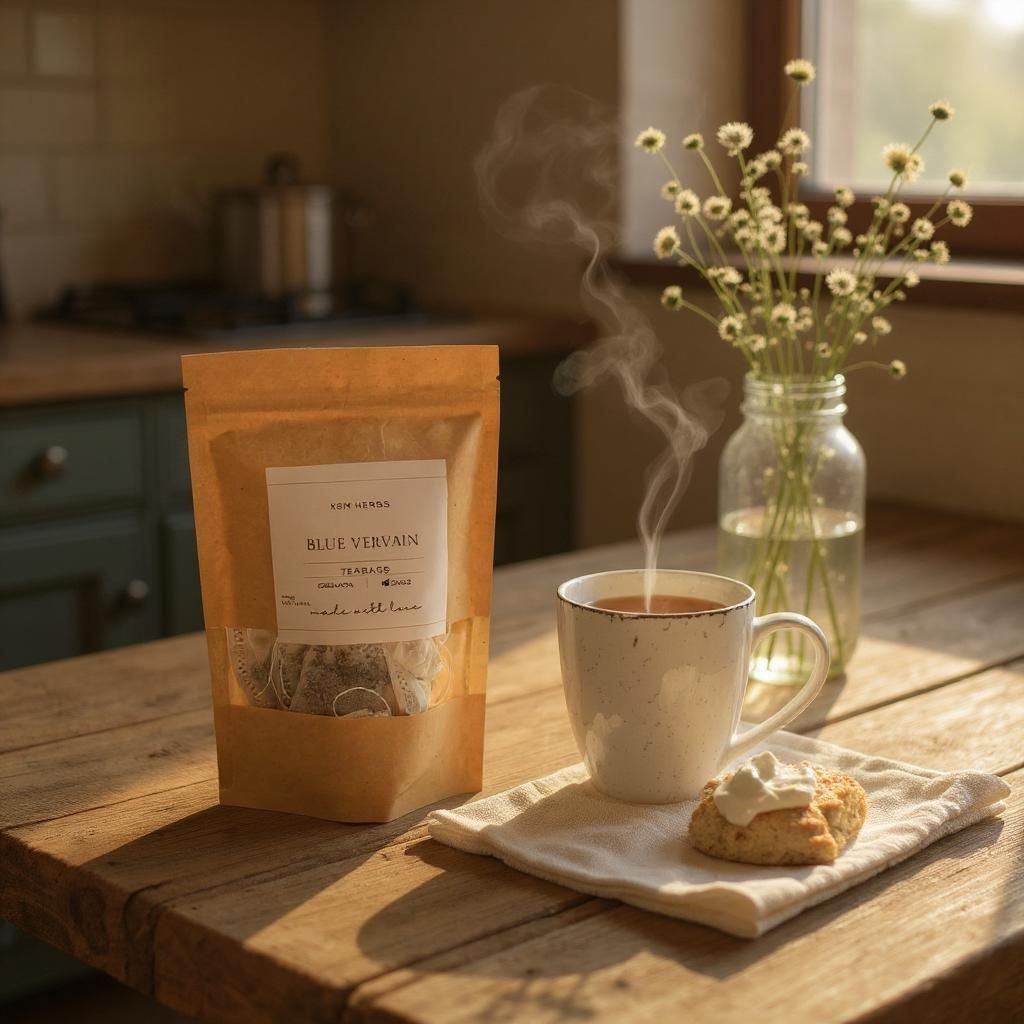
Getting to know blue vervain
Blue vervain is one of the teas readers have asked about in our search data. Our existing flavour guide is a useful companion to this brewing check. Taste is personal: finding your preferred cup is more useful than assuming that the strongest or bitterest version is best.
Keep exploring
Read our What Does Blue Vervain Taste Like? for more ideas.
For another introduction to our range, download the free K&M Herbs herbal tea and wellness book.