Dandelion root tea and dandelion leaf tea refer to different parts of the plant. That distinction matters when comparing products: a plant name alone does not describe every ingredient or preparation.
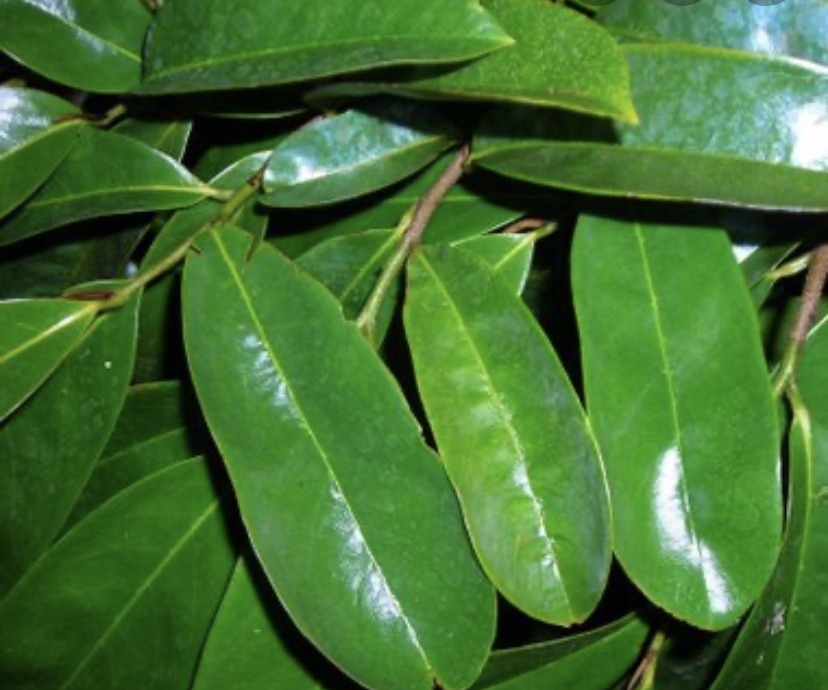
Root and leaf are different ingredients
The root grows below ground, while the leaves are above-ground plant material. A packet that identifies the plant part is giving useful information beyond the common name. A root product should not be assumed to reproduce the flavour of a leaf infusion.
Roasted or unroasted?
Processing adds another distinction. Kew notes the use of roasted dandelion roots as a coffee substitute. A roasted-root drink and an unroasted preparation are therefore not simply two packages of the same finished ingredient. The product description should explain the format.
Where blends fit in
A dandelion drink may also include other roots, herbs or flavourings. A dark-looking cup does not reveal all of those ingredients. The name, plant part and full ingredient list together give a clearer picture of what is being compared.
A wider lesson for leaf teas
The same habit of checking the plant part is useful elsewhere. Mango leaf tea is about leaves, not mango fruit; guava leaf tea is not guava juice. Our leaf-tea article explores that distinction. Dandelion is discussed here for information and is not presented as a K&M product.
Background reading: Kew’s dandelion profile.
More from K&M Herbs
Explore our current tea and gift range and download our free herbal tea and wellness book for more about K&M Herbs.
Related reading: Leaf Tea vs Fruit Tea: What Is the Difference?.