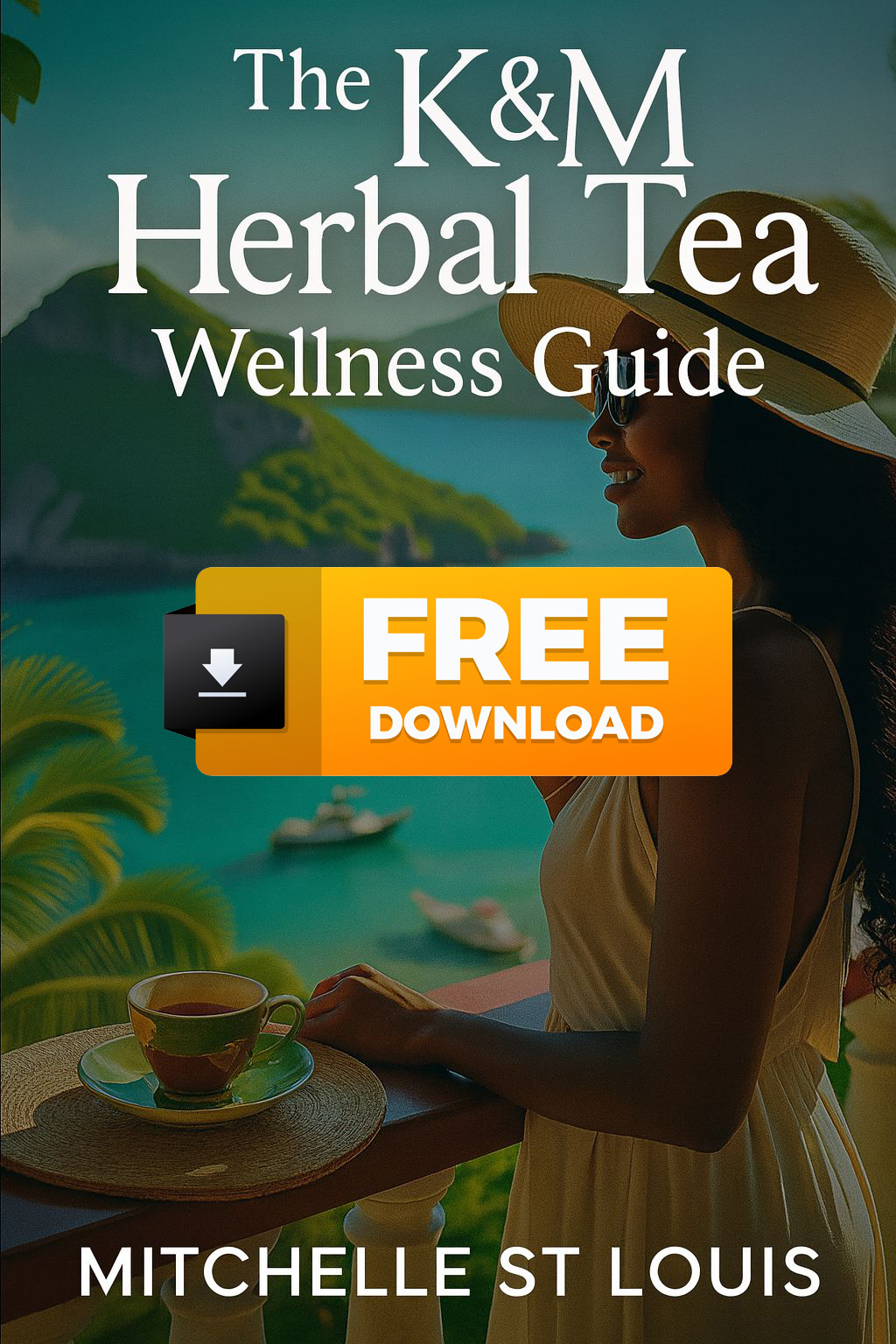
Herbal tea books can introduce ingredient names, tea traditions and the language used to describe a cup. K&M’s free Herbal Tea Wellness Guide is available through the book link near the top of this page.
Look at the scope
A book about tea history is different from a brewing reference or a collection of personal stories. The title alone may not explain that difference. Contents pages and chapter descriptions help you decide whether a guide matches the questions you want to explore.
Keep ingredient names clear
Common plant names can vary between places and writers. A useful guide distinguishes the ingredient from a flavour description and identifies the plant part when relevant. Mango leaf tea, for example, is a different subject from a drink made with mango fruit.
Reading alongside a packet
A book provides background; the product’s own instructions describe the tea you have bought. If a guide discusses several preparation styles, that does not make all of them suitable for every packet. Keep the reading and the specific product information together.
A starting point for further discovery
You can note unfamiliar ingredients and return to the shop or our existing articles to explore them. The free book is a reading resource, not a promise about health outcomes. Its availability does not imply that K&M stocks every botanical mentioned in wider tea literature.
More from K&M Herbs
Explore our current tea and gift range and download our free herbal tea and wellness book for more about K&M Herbs.
Related reading: What Is Single-Ingredient Herbal Tea?.