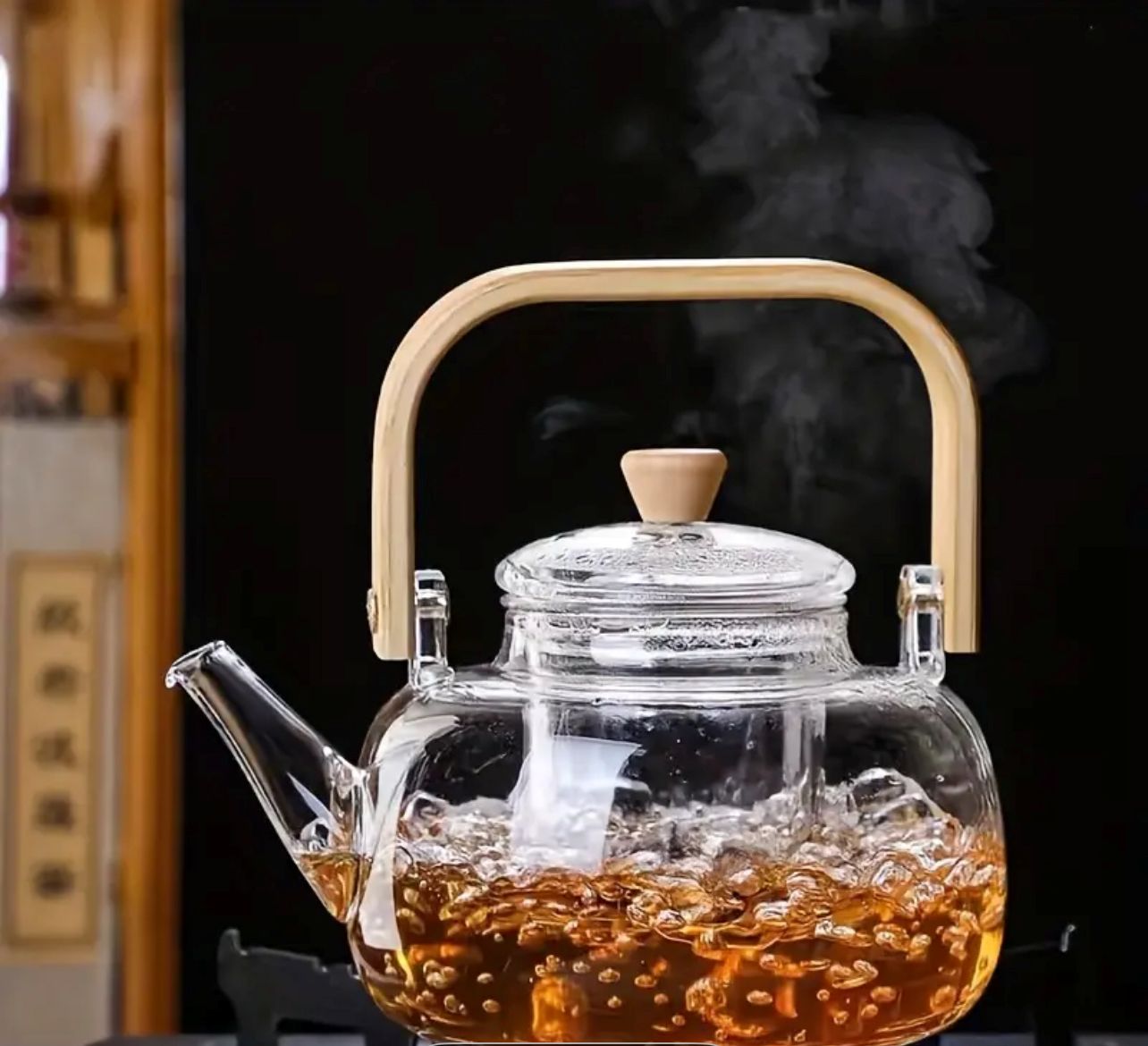
The first sip of a herbal tea and the last sip do not always feel like the same drink. You might notice a brighter tang, a more obvious earthy note or an aroma that seems less prominent. Before deciding that something has gone wrong, consider the simplest change: the tea is now at a different temperature.
This is a useful tasting question rather than a reason to rush your cup. Comparing the same infusion at comfortable drinking temperatures can help you understand why you prefer one ingredient warm and another served over ice.
Make sure you are comparing the same drink
Remove the tea bag at the point recommended by the product's instructions. If you leave it in throughout your comparison, the tea may continue brewing while it cools. You would then be changing two things at once: temperature and the amount of time the ingredients remain in the water.
Keep additions out of the first comparison too. A squeeze of lemon, a spoon of honey or extra water changes the drink. Try the plain infusion first, then decide whether you want to explore those options in a separate cup.
Notice aroma before flavour
Lift the cup carefully and notice its aroma without placing your face close to hot steam. Later, repeat that observation when the drink is comfortably warm. Describe what you actually notice, even if the answer is simply that the aroma seems less obvious.
You do not need specialist tasting language. “Leafy”, “citrusy”, “earthy” and “hard to describe” are all useful notes. Your own words are more valuable than copying a sophisticated description that does not match your experience of the cup.
Taste at a comfortable temperature
Allow the drink to reach a temperature you can sip comfortably. There is no need to taste a freshly poured, very hot infusion for the sake of an experiment. Take a small sip, pause and write down the main impression before trying it again later.
As it cools further, ask whether the same qualities seem more or less noticeable. With hibiscus, for example, you may find that its tangy character becomes the feature you focus on. That is a personal observation to test, rather than a promise that everyone will experience an identical change.
Separate cooling from dilution
A cup cooling naturally on the table is different from tea poured over ice. Melting ice adds water. If an iced version tastes weaker, dilution may explain part of the difference, rather than temperature alone. Keep those two comparisons separate when you are learning about an ingredient.
For a clearer trial, cool a small portion without adding anything and compare it with a comfortably warm portion of the same brew. Use clean cups and drink the samples during the tasting session. You are exploring serving preferences, not trying to establish a long storage method.
Use the result when choosing your next cup
If you enjoy a tea most when it is warm, prepare a serving you can comfortably finish at that temperature. A smaller cup or a suitable teapot may fit your routine better than a large mug that sits untouched during a busy morning.
If you prefer the cooler sample, look at the product's suggested cold serving method. K&M's hibiscus directions, for example, include preparing an infusion and serving it over ice. Follow the preparation guidance rather than assuming every herbal tea is intended for cold brewing.
Describe preference without turning it into a rule
A useful conclusion might be “I prefer this without ice, once it has cooled a little”. That tells you how to serve it next time. It does not mean a warmer or colder cup is incorrect, or that a different person's preference needs changing.
Keep a short note alongside the product name. When you try another ingredient, repeat the same simple exercise. Over time you will build a picture of which teas suit a warm mug, an unhurried pot or a freshly prepared iced drink.
For more practical detail, read our hot and iced tea comparison.
Explore more ingredient and preparation information in our free Herbal Tea Wellness Guide.
Questions about a product? Use our contact page or email info@km-herbs.com.