Tea names can reflect local language, family usage, trade descriptions and the part of the plant being sold. That makes naming an interesting part of Caribbean tea culture, but it can also make online comparisons confusing.
A common name is a starting point
A familiar word may be used differently by different communities or sellers. Conversely, one ingredient can be described with more than one common name. A shared word does not guarantee that two packets contain identical material.
Use a complete description
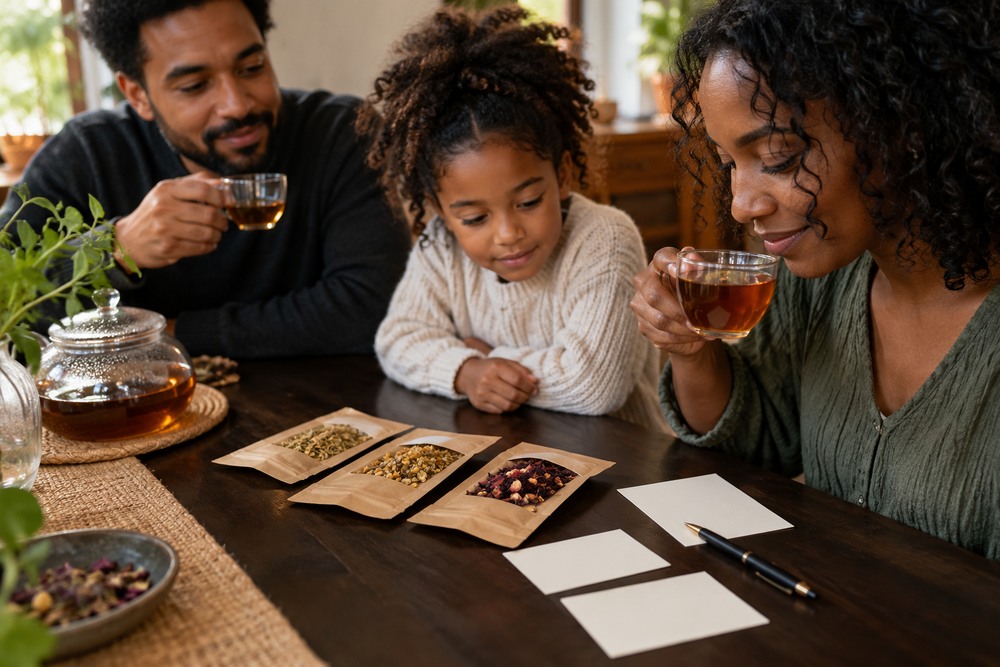
Check the ingredient list, plant part and any botanical identity supplied by the seller. Keep the full product name in your notes. If a description remains unclear, ask a specific question rather than trying to identify a plant from an image.
Share discoveries accurately
When recommending a tea to a friend, send the actual product link instead of just a shortened herb name. That preserves the details they need to make their own choice. Cultural names can remain part of the story while product information keeps the purchase clear.
Explore K&M Herbs teas and gifts, or read our free Herbal Tea Wellness Guide.