A tea tasting card can help someone remember which ingredient they enjoyed without turning a gift into an assignment. The most useful version is short, easy to read and connected to the tea in the packet. It should leave space for the recipient's own words rather than telling them what they are supposed to taste.
Think of it as a memory aid. If the recipient opens several teas over a few weeks, a simple note can help them find a favourite again. You do not need a scoring system, specialist vocabulary or a long explanation of every ingredient.
Begin with the exact product name
Include a space for the tea's full name and the brand. Similar names can describe different ingredients or blends, so “the green packet” is not a reliable record once the packaging has been put away. Encourage the recipient to keep the original label and preparation information too.
If you fill in the card yourself, copy the product name accurately. Do not use the card to replace the ingredient list or other information supplied with the tea. A helpful extra should make the original product easier to identify, rather than create a second, less complete label.
Record how the cup was made
Leave a small line for water quantity, brewing time and any additions. These details explain a surprising amount about the finished drink. A tea that seems too light in a large mug may taste different when prepared with the product's suggested serving size.
Keep the prompts short enough to use: “Cup or water amount”, “Brewing time” and “Added anything?” are usually enough. You do not need to ask for a detailed kitchen log. The aim is to help repeat a pleasant cup, not to demand perfect measurements from someone enjoying a present.
Ask for a first impression
A prompt such as “What did you notice first?” leaves room for aroma, flavour or appearance. The recipient might write “bright colour”, “gentle flavour” or simply “different from my usual tea”. Each of those observations can be useful when choosing what to try next.
Avoid printing a long list of expected flavours beside the answer space. That can make someone feel their experience is wrong if it differs. A product description belongs with the packet; the tasting card is a place to record the person drinking the tea.
Include one practical preference question
“Would you choose this again?” is more useful than a complicated score out of one hundred. You could offer three simple responses: yes, perhaps with a different preparation, or probably not. Leave room for one reason rather than assuming everyone wants to write a review.
A further optional line might ask whether they preferred it warm or served cold following the product guidance. Do not encourage cold preparation of an ingredient without suitable instructions. The card can record a serving preference without becoming a general brewing authority.
Make the card easy to read
Use a clear typeface, comfortable text size and strong contrast. Leave enough writing space for a short handwritten answer. A beautifully decorated card is less helpful if the prompts are tiny or the background makes pencil marks difficult to see.
If the gift includes several teas, provide a few separate cards or one simple sheet with a clearly marked section for each. Keep them away from direct contact with loose tea or unwrapped food. They are stationery, not part of the product packaging.
Keep the tone light
Add a line such as “Use this if you would like to remember your favourites.” That gives the recipient permission to ignore the card and enjoy the tea normally. A thoughtful gift should not require feedback to the person who bought it.
Finish with a place to note the product they might reorder. The best tasting card helps someone move from “I liked one of those teas” to knowing which packet it was and how they made it. Anything beyond that is optional.
For more practical detail, read our tea tasting journal ideas.
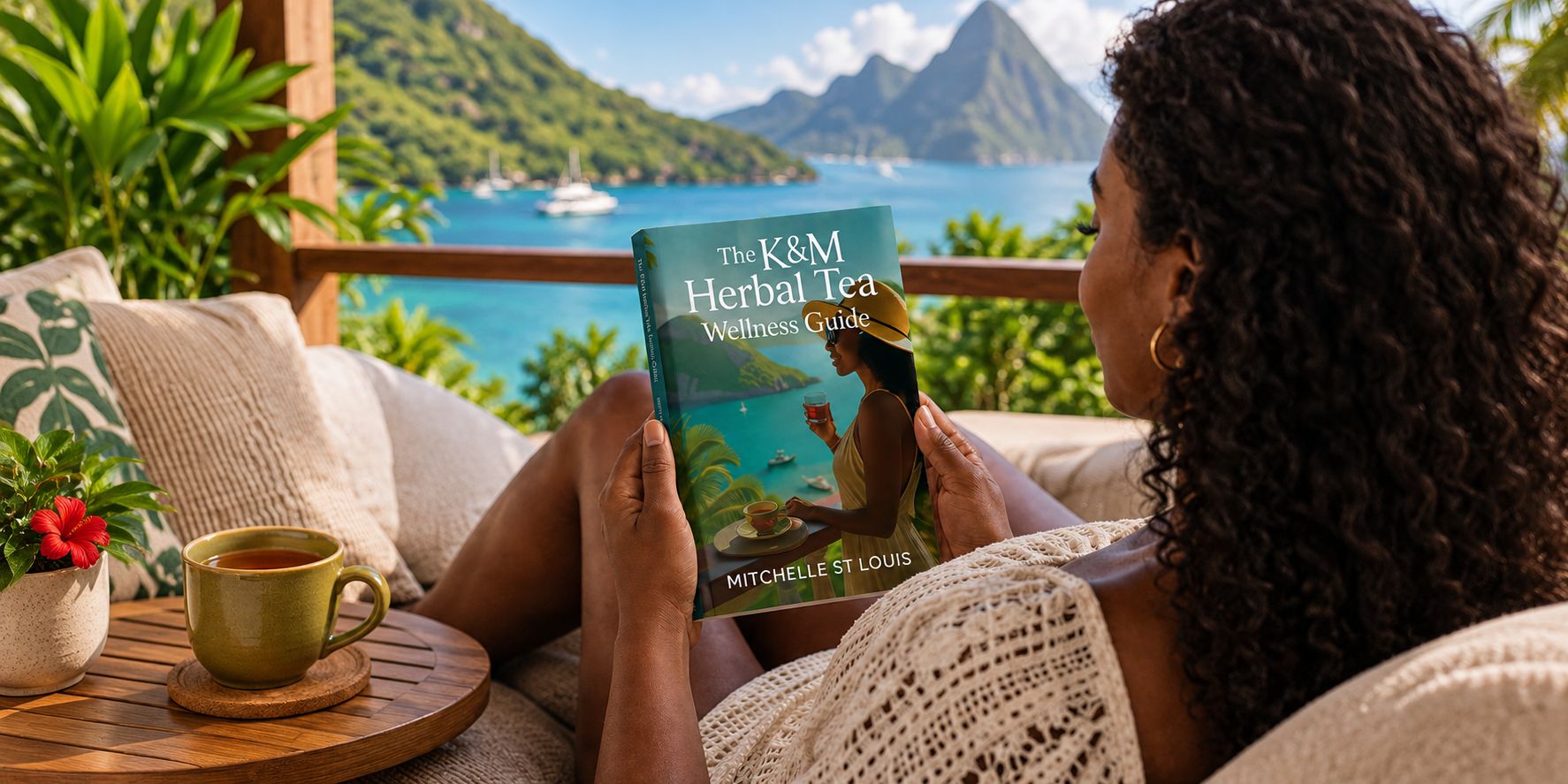
Explore more ingredient and preparation information in our free Herbal Tea Wellness Guide.
Questions about a product? Use our contact page or email info@km-herbs.com.