
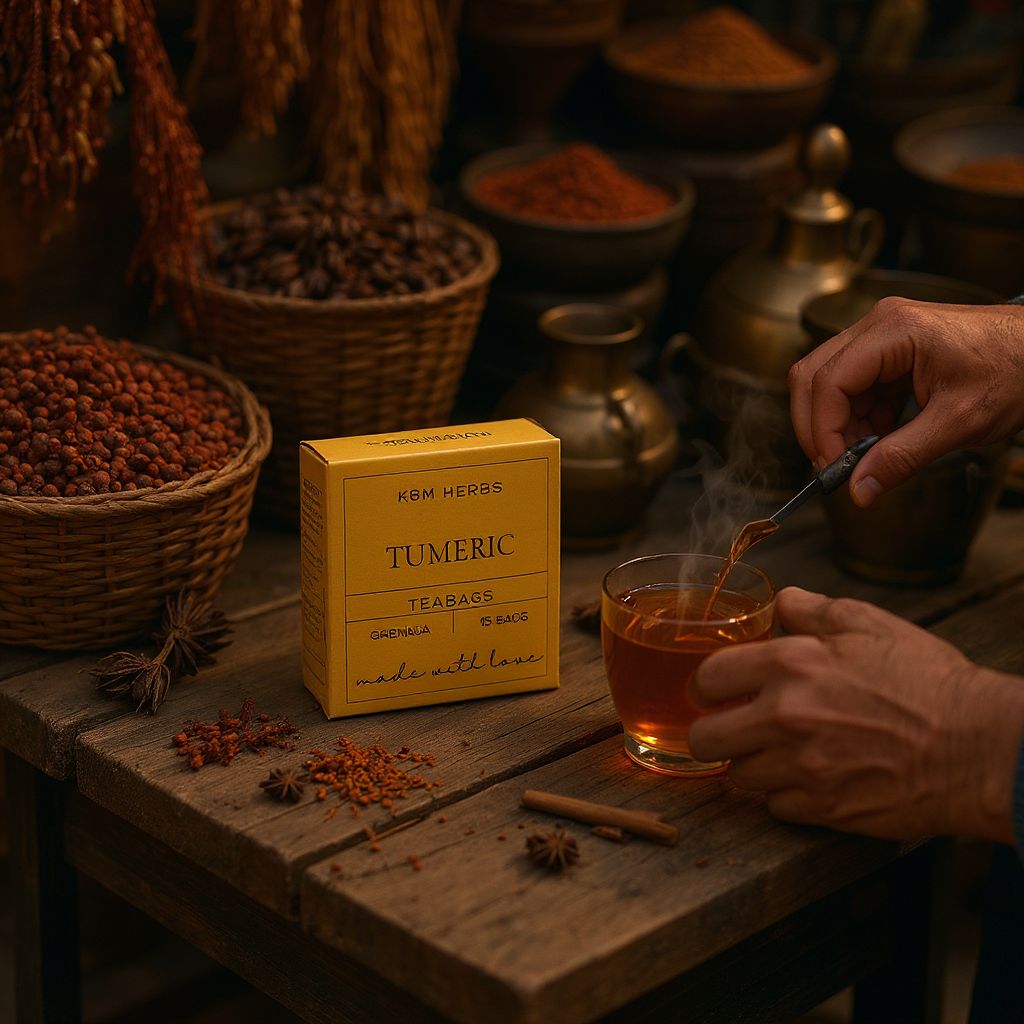
Dark chocolate can be an interesting companion for herbal tea because its bitterness, sweetness and richness give you several flavours to compare. There is no single correct pairing: start with a small piece of chocolate and a tea you already know.
Try contrast first
Hibiscus offers a tart direction that can contrast with a rich chocolate. Taste the tea plain, take a small bite, then sip again. Notice whether the combination becomes brighter, sharper or simply too intense for your preference.
Check the chocolate itself. A bar with fruit, mint or added spices creates a different comparison from a plain dark bar. Cocoa percentage alone does not describe the whole flavour.
Try a gentler direction
A citrus-like lemongrass infusion gives another possible contrast. An earthy tea may produce a quieter combination. Prepare each tea according to its own directions, rather than brewing it unusually strongly to compete with the chocolate.
Let hot drinks reach a comfortable tasting temperature. A very hot sip can distract from the details you are trying to notice.
Make a three-bite tasting
Choose one plain chocolate and two small tea servings. Taste the chocolate alone first, then with each tea. Keep the portions modest and use water between comparisons if helpful.
Ask three simple questions: can you still notice the tea, does the chocolate seem different, and would you choose the combination again? You do not need to agree with another person's answer.
For a gift or a small evening tasting, list the exact chocolate and teas together. A repeatable pairing is more useful than a rule saying one ingredient always belongs with every dark chocolate.
Related reading: How to Host a Herbal Tea Tasting at Home.
Explore our free Herbal Tea Wellness Guide for more about K&M Herbs. For a product question, contact us.