What Is Single-Origin Herbal Tea?
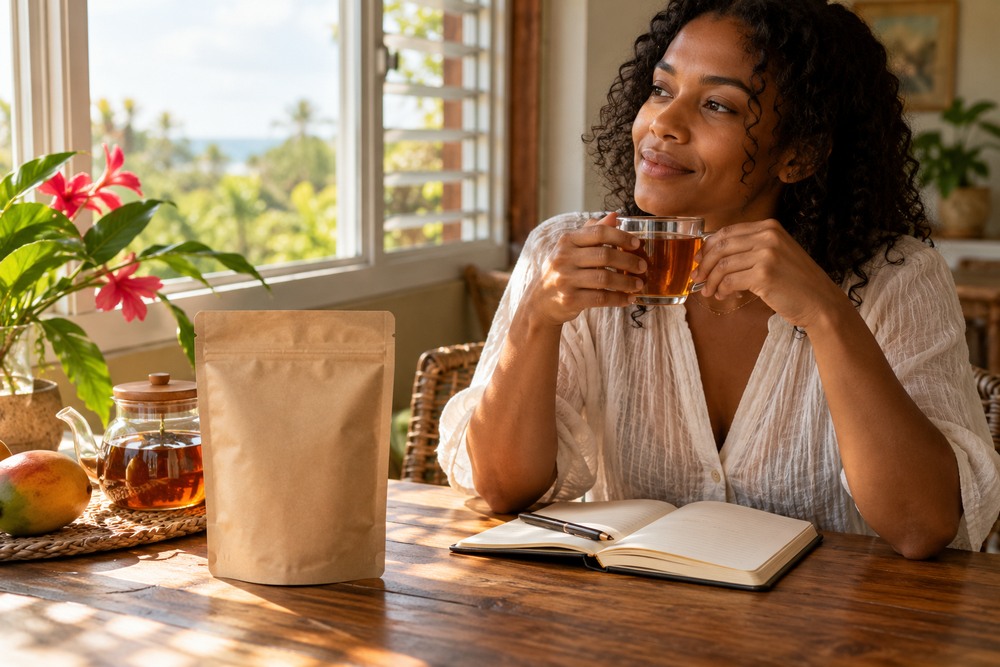
Single-origin is a sourcing description whose exact meaning should be explained by the seller. It can refer to a country, region or more specific source; the phrase alone does not tell you how narrowly that origin has been defined.
Christmas Mocktail Recipe: Cranberry, Orange and Lemongrass
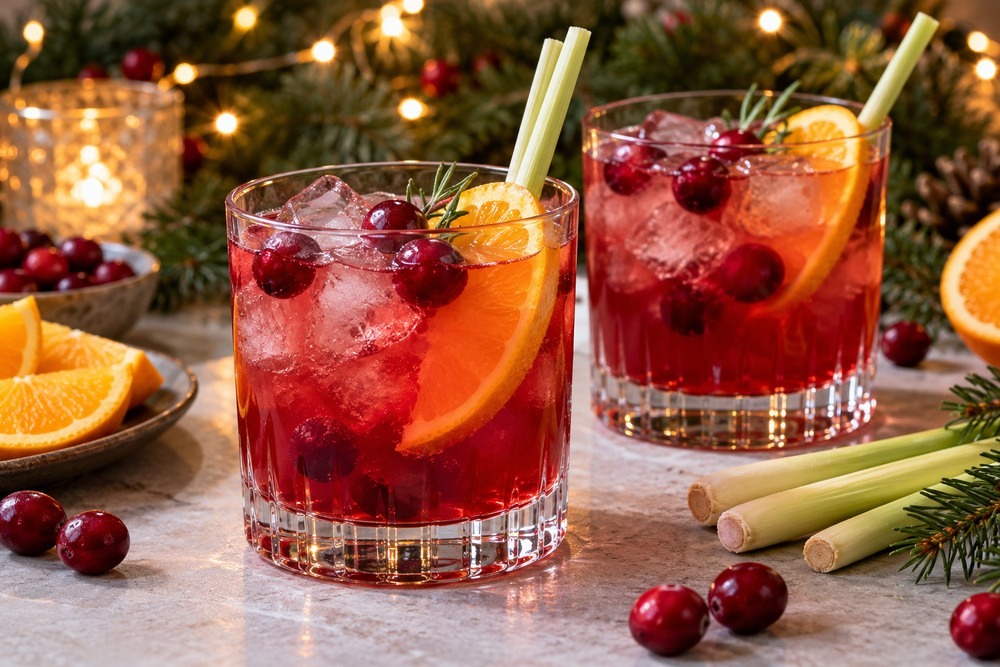
Cranberry and orange bring colour and bright fruit flavours to a Christmas mocktail. A cooled lemongrass infusion adds a gentle citrus note without.
How to Make an Alcohol-Free Christmas Tea Punch
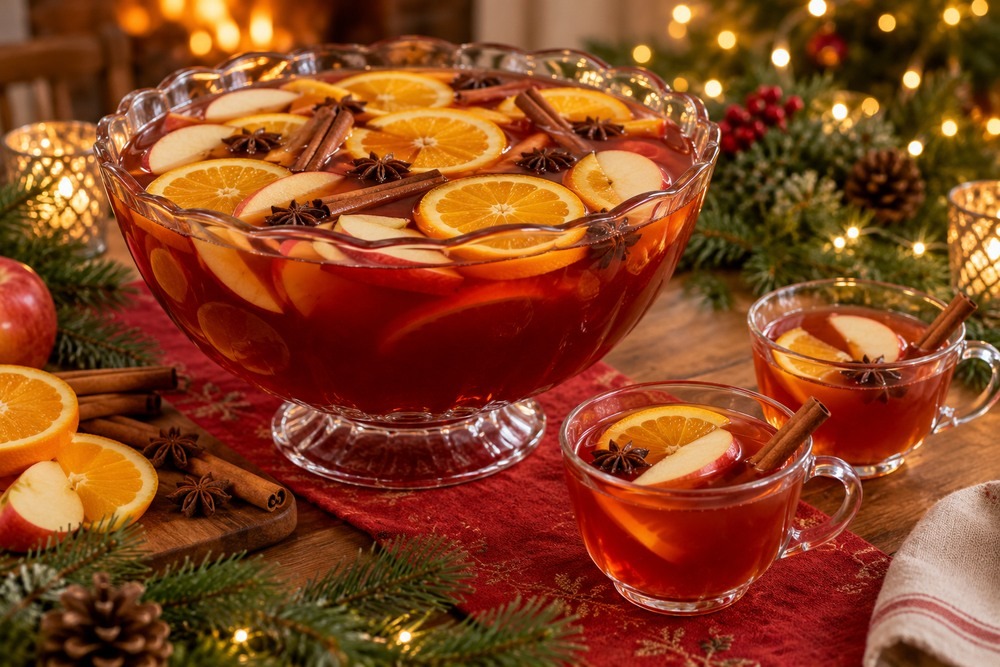
A colourful Christmas punch makes a welcoming centrepiece without needing alcohol. This recipe idea combines brewed herbal tea with fruit juice and.
Caribbean Tea Names: Why Can the Same Herb Have Different Names?
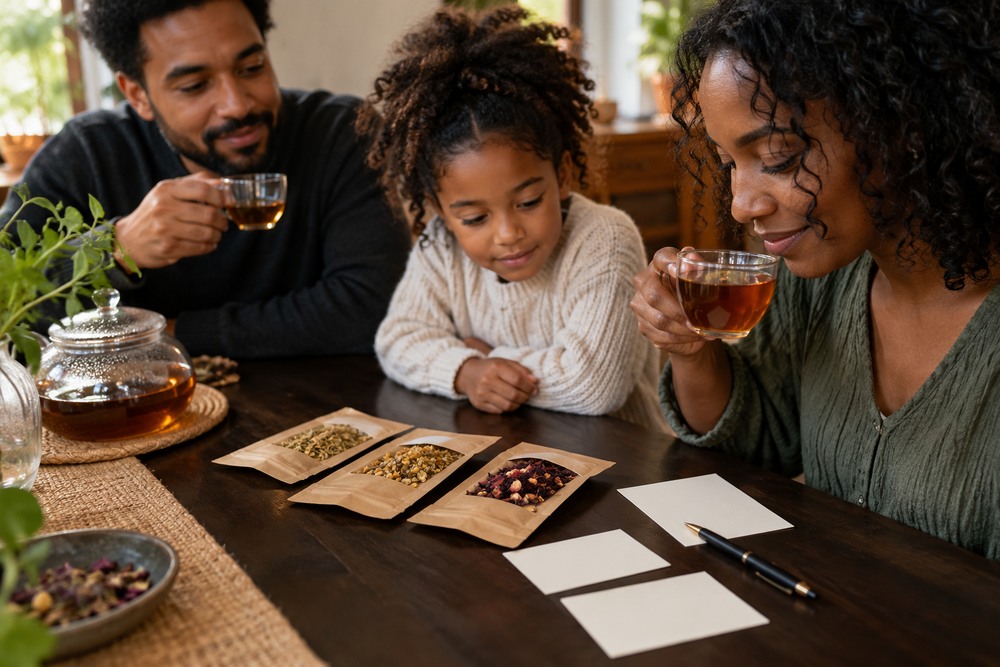
Tea names can reflect local language, family usage, trade descriptions and the part of the plant being sold. That makes naming an interesting part of Caribbean tea culture, but it can also make online comparisons confusing.
Christmas Gifts for Tea Lovers Who Enjoy Trying New Ingredients

Christmas gifts for tea lovers can be chosen around curiosity: new ingredient names, a different serving style or a daily surprise.
What Does “Bush Tea” Mean in the Caribbean?
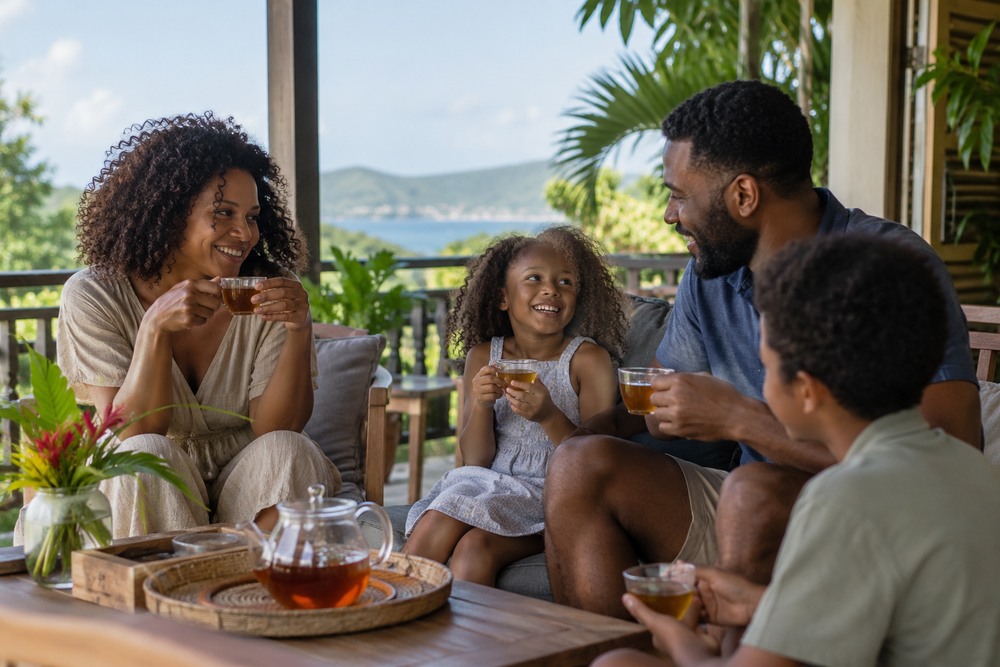
Bush tea is a term used in Caribbean conversations about plant-based infusions. It describes a cultural category rather than one fixed recipe with identical ingredients across every island or family.
Soursop Leaf Tea vs Soursop Fruit Drinks: What’s the Difference?
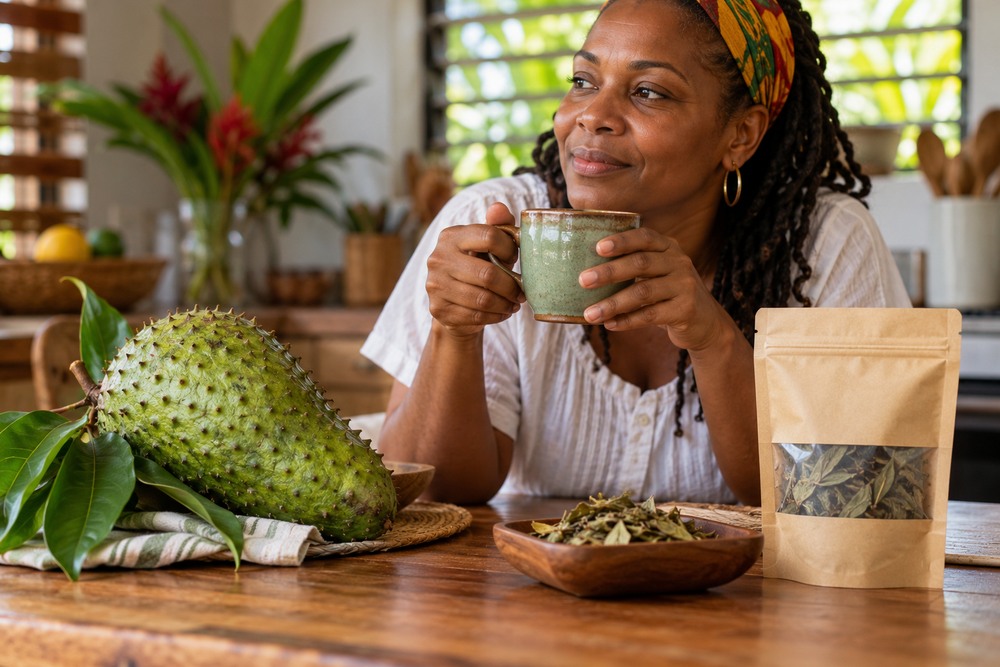
Soursop leaf tea and soursop fruit drinks use different parts of the plant and belong to different product descriptions. A fruit name on a leaf tea does not promise a sweet juice-style drink.
Moringa Leaf Tea vs Moringa Seeds: Understanding the Ingredients
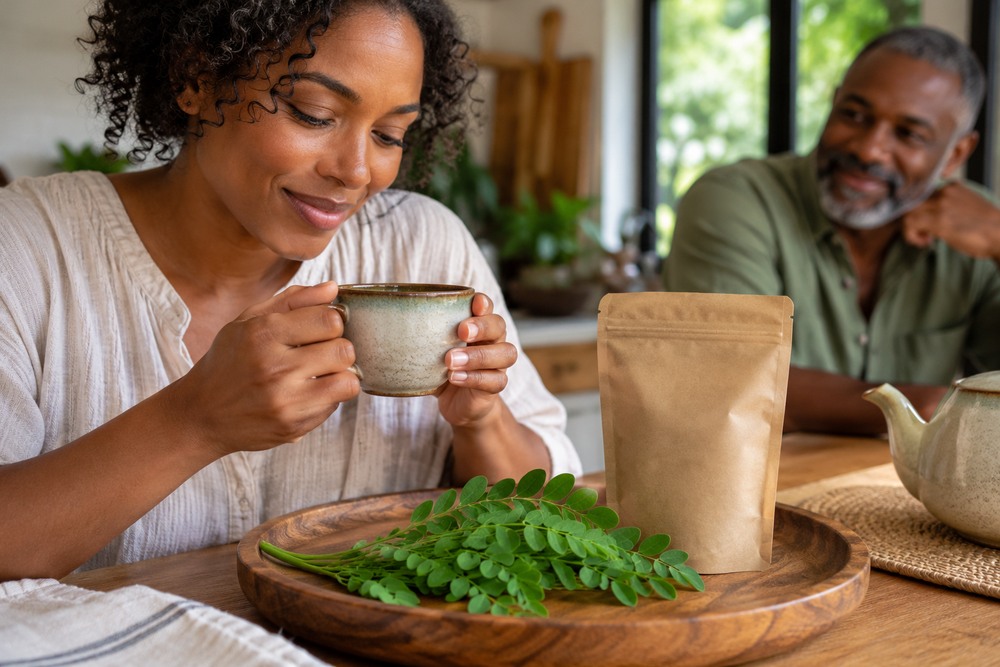
Moringa leaf tea and moringa seeds describe different ingredients and formats. A plant name is only part of the product information; the plant part and intended use also matter.
Avocado Leaf Tea vs Avocado Seed Tea: What’s the Difference?
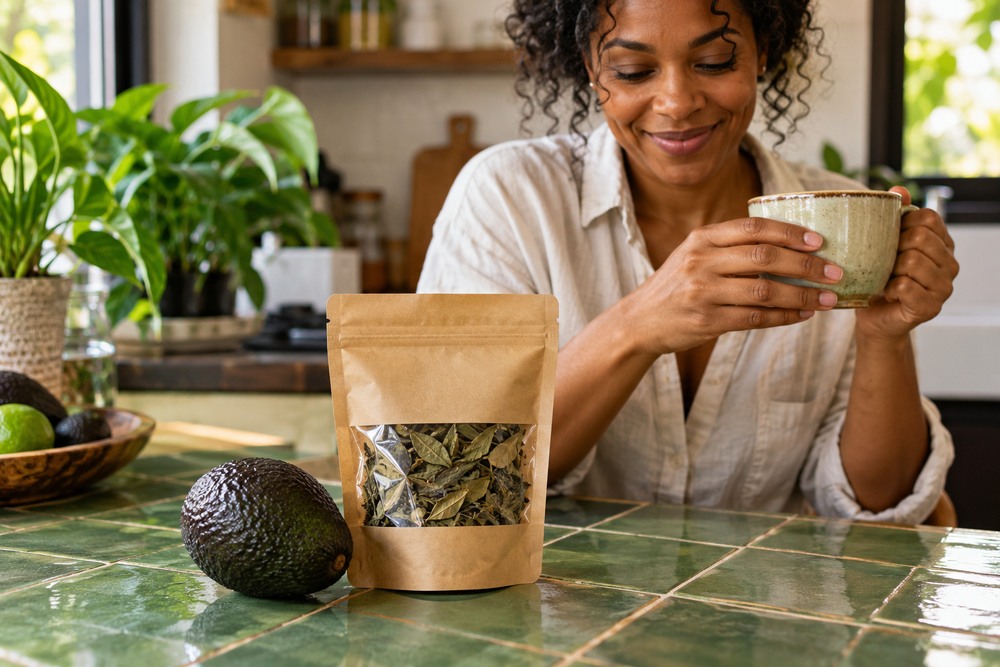
Avocado leaf tea and avocado seed tea refer to different plant parts. The shared word avocado does not make them interchangeable products or provide preparation instructions for either one.
What Part of the Hibiscus Plant Is Used for Tea?
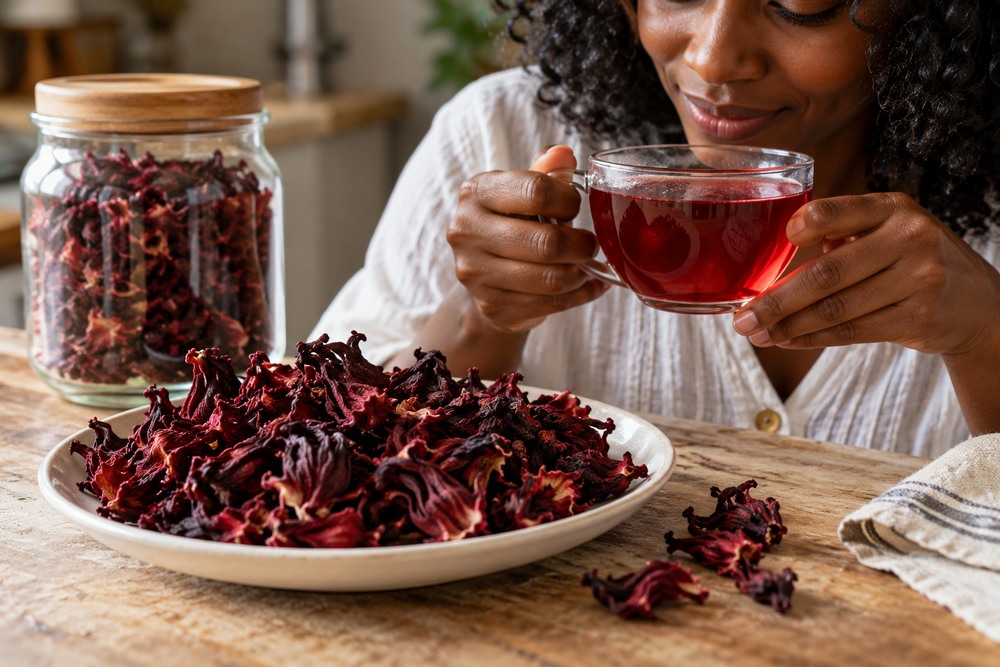
For the familiar red hibiscus infusion, the ingredient is commonly the dried calyces of Hibiscus sabdariffa: the fleshy structures around the flower. ‘Hibiscus flower tea’ is a familiar description, but the full ingredient identity is more useful than a decorative flower photograph.
Where Does Grenadian Sea Moss Come From?

Grenadian sea moss has a place and a grower behind it. K&M Herbs introduces Billy’s Seamoss Farm in Fort Jeudy, St. Georges, Grenada, giving customers a named connection to explore alongside the product range.
Where Can I Check Ingredients and Allergen Information Before Buying?

Before buying herbal tea, read the information for the specific product you are considering. A familiar plant name or a broad description such as herbal does not answer every question about the contents of a particular packet.
Can I Send a K&M Herbs Tea Gift Directly to Someone Else?
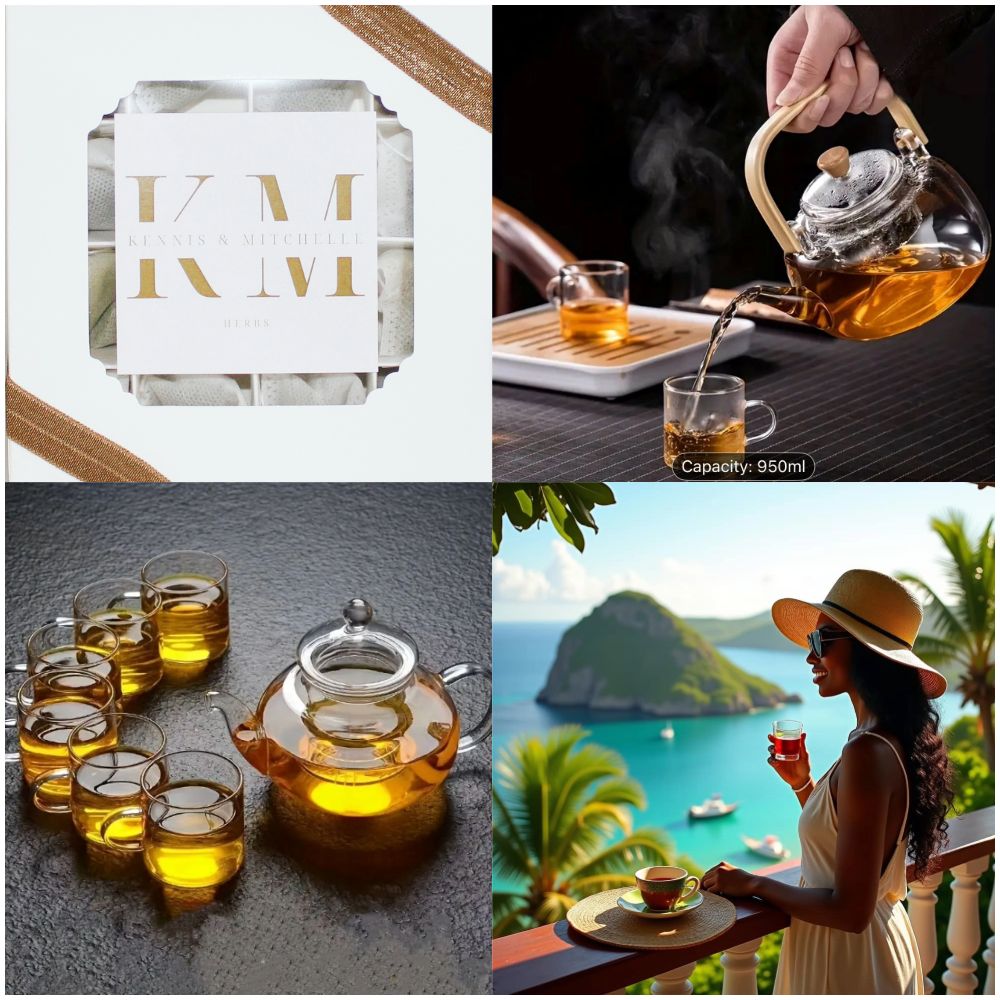
A tea gift can be a thoughtful way to remember somebody who lives elsewhere. Before arranging direct delivery, confirm that the order can be sent to the intended recipient and check how the parcel and paperwork will be presented.
How Much Does K&M Herbs UK Delivery Cost?

When ordering herbal tea or a gift set from K&M Herbs, check the delivery charge before completing payment. The cost of getting the parcel to its destination belongs in your gift budget alongside the products themselves.
How Do You Choose Herbal Tea When You Normally Drink Coffee?
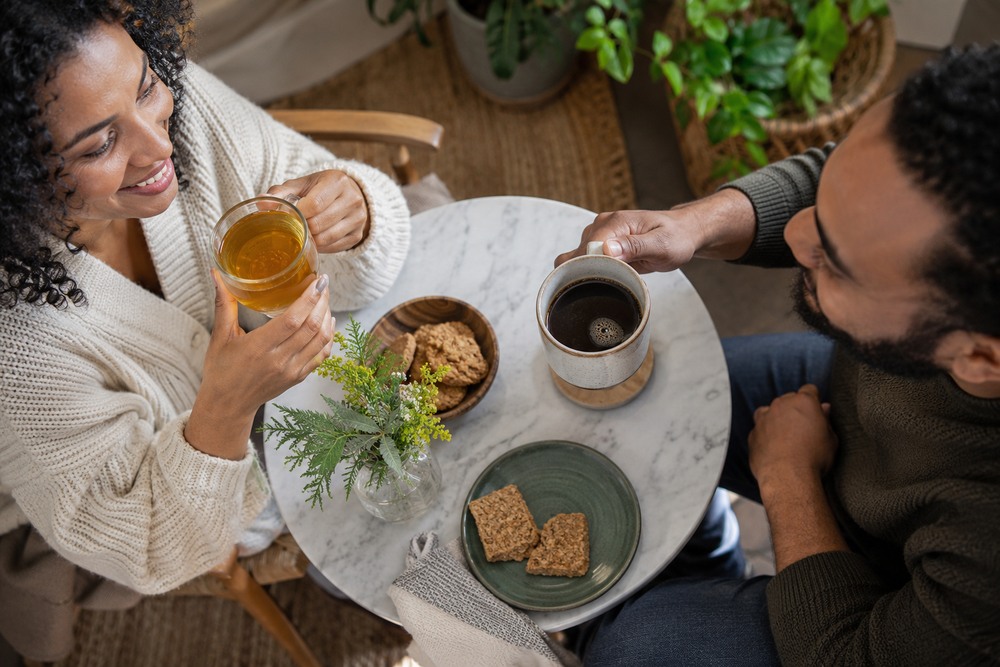
Choosing herbal tea does not need to mean finding a drink that copies coffee. It can be a chance to explore a different ingredient, aroma and preparation routine while keeping the parts of a tea break you already enjoy.
Can You Brew Different Herbal Teas in the Same Teapot?
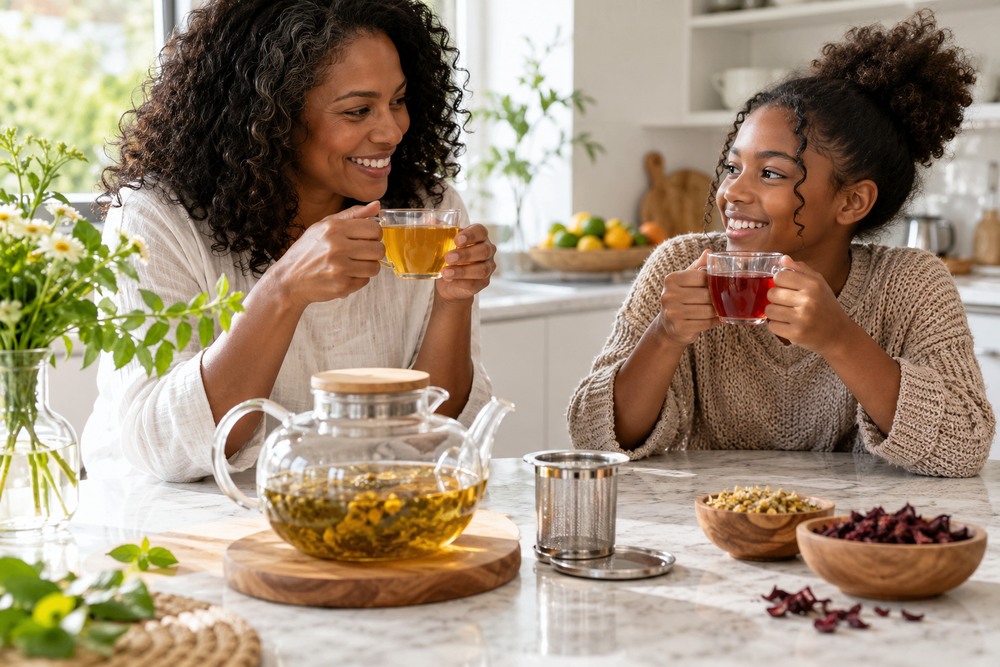
You can use a suitable teapot for different labelled tea products on separate occasions, provided it is cleaned and used according to its care instructions. That is different from mixing several ingredients together in one brew.
Why Are There Small Particles in My Herbal Tea?
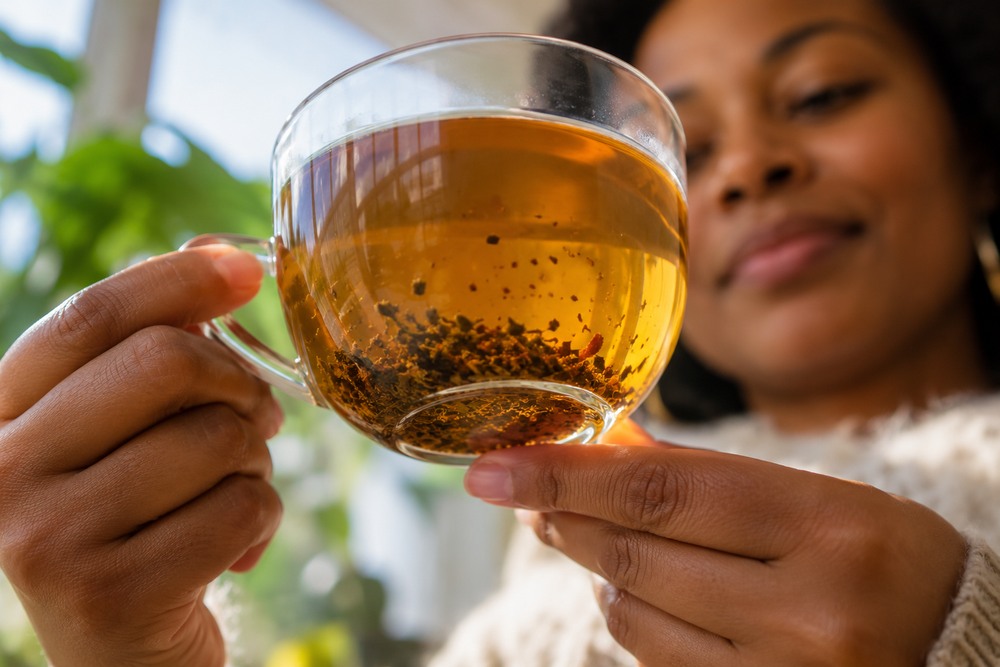
Small particles in a cup can come from the prepared ingredients or pass through the openings in an infuser. Their appearance depends on the product and equipment, so one photograph cannot explain every cup.
Should You Squeeze a Herbal Tea Bag After Brewing?
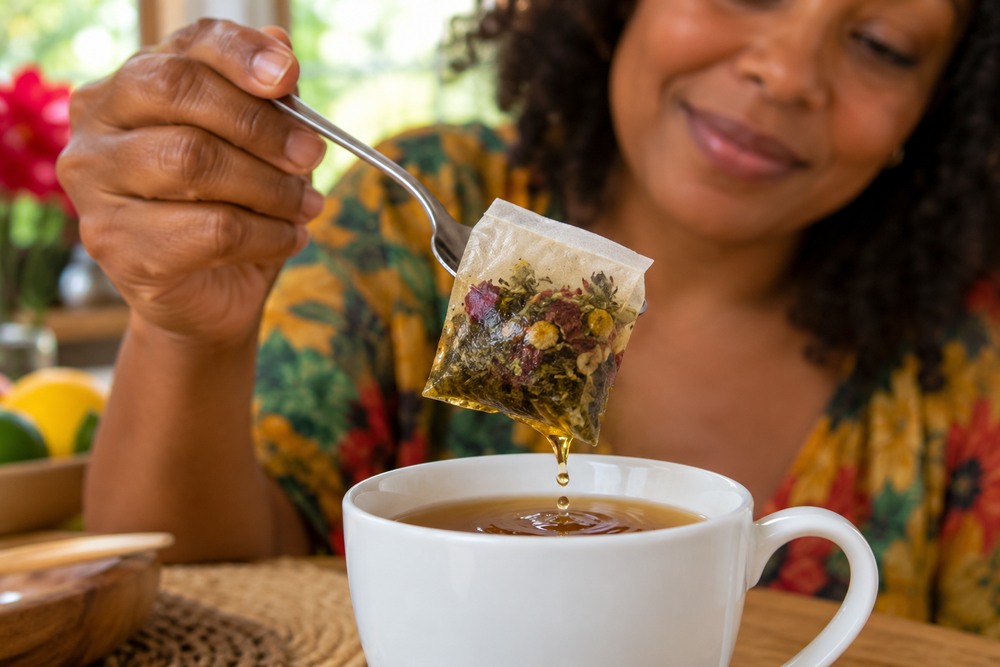
Squeezing a tea bag is not a universal requirement for herbal tea. The packet directions are the starting point, and removing the bag without pressing it gives you a straightforward way to make repeatable cups.